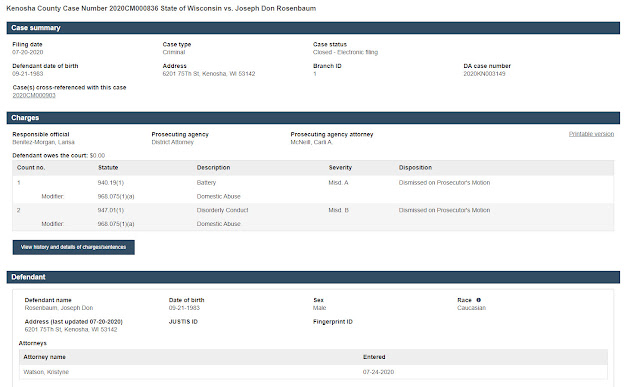
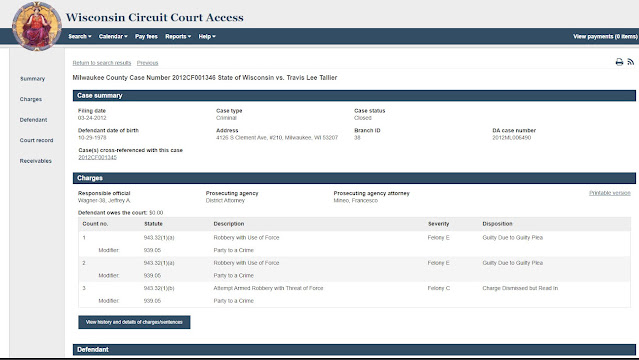
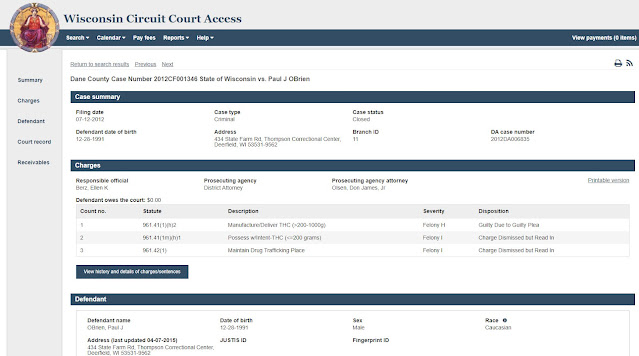
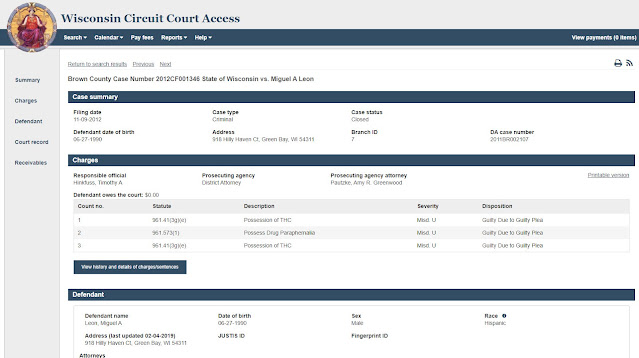
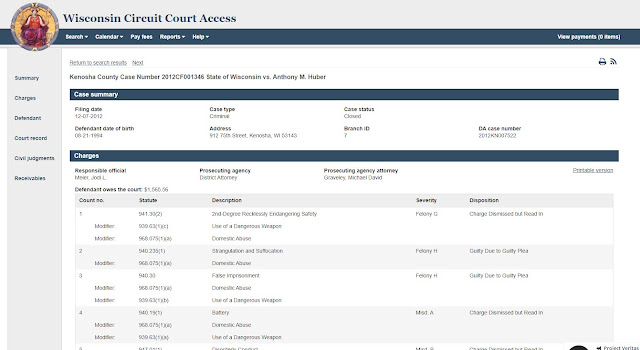
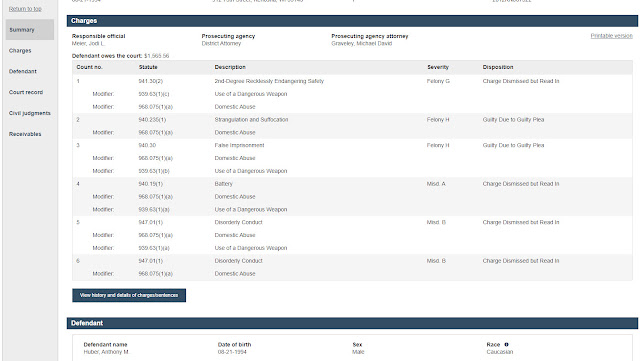
I'm tired of Looters and Rioters Destroying People's Livelihoods. We watched our country destroyed. Innocent businesses destroyed. When those businesses shutdown and don't come back that not only the affects the owner(s), but also all it's employees that just got laid off. That impacts their ability to provide for their families. That impacts their children and everyone in the community. In my opinion it should be the stance of this state that if you attack people and property that isn't yours you should forfeit your right to not get shot.
Maybe it's time for Wisconsin to bring a little Texas Law to Wisconsin Law books.
In Texas you can use deadly force to protect your property.
Source: https://statutes.capitol.texas.gov/SOTWDocs/PE/htm/PE.9.htm
PENAL CODE
TITLE 2. GENERAL PRINCIPLES OF CRIMINAL RESPONSIBILITY
CHAPTER 9. JUSTIFICATION EXCLUDING CRIMINAL RESPONSIBILITY
SUBCHAPTER A. GENERAL PROVISIONS
Sec. 9.01. DEFINITIONS. In this chapter:
(1) "Custody" has the meaning assigned by Section 38.01.
(2) "Escape" has the meaning assigned by Section 38.01.
(3) "Deadly force" means force that is intended or known by the actor to cause, or in the manner of its use or intended use is capable of causing, death or serious bodily injury.
(4) "Habitation" has the meaning assigned by Section 30.01.
(5) "Vehicle" has the meaning assigned by Section 30.01.
Acts 1973, 63rd Leg., p. 883, ch. 399, Sec. 1, eff. Jan. 1, 1974. Amended by Acts 1993, 73rd Leg., ch. 900, Sec. 1.01, eff. Sept. 1, 1994; Acts 1997, 75th Leg., ch. 293, Sec. 1, eff. Sept. 1, 1997.
Amended by:
Acts 2007, 80th Leg., R.S., Ch. 1 (S.B. 378), Sec. 1, eff. September 1, 2007.
Sec. 9.02. JUSTIFICATION AS A DEFENSE. It is a defense to prosecution that the conduct in question is justified under this chapter.
Acts 1973, 63rd Leg., p. 883, ch. 399, Sec. 1, eff. Jan. 1, 1974. Amended by Acts 1993, 73rd Leg., ch. 900, Sec. 1.01, eff. Sept. 1, 1994.
Sec. 9.03. CONFINEMENT AS JUSTIFIABLE FORCE. Confinement is justified when force is justified by this chapter if the actor takes reasonable measures to terminate the confinement as soon as he knows he safely can unless the person confined has been arrested for an offense.
Acts 1973, 63rd Leg., p. 883, ch. 399, Sec. 1, eff. Jan. 1, 1974. Amended by Acts 1993, 73rd Leg., ch. 900, Sec. 1.01, eff. Sept. 1, 1994.
Sec. 9.04. THREATS AS JUSTIFIABLE FORCE. The threat of force is justified when the use of force is justified by this chapter. For purposes of this section, a threat to cause death or serious bodily injury by the production of a weapon or otherwise, as long as the actor's purpose is limited to creating an apprehension that he will use deadly force if necessary, does not constitute the use of deadly force.
Acts 1973, 63rd Leg., p. 883, ch. 399, Sec. 1, eff. Jan. 1, 1974. Amended by Acts 1993, 73rd Leg., ch. 900, Sec. 1.01, eff. Sept. 1, 1994.
Sec. 9.05. RECKLESS INJURY OF INNOCENT THIRD PERSON. Even though an actor is justified under this chapter in threatening or using force or deadly force against another, if in doing so he also recklessly injures or kills an innocent third person, the justification afforded by this chapter is unavailable in a prosecution for the reckless injury or killing of the innocent third person.
Acts 1973, 63rd Leg., p. 883, ch. 399, Sec. 1, eff. Jan. 1, 1974. Amended by Acts 1993, 73rd Leg., ch. 900, Sec. 1.01, eff. Sept. 1, 1994.
Sec. 9.06. CIVIL REMEDIES UNAFFECTED. The fact that conduct is justified under this chapter does not abolish or impair any remedy for the conduct that is available in a civil suit.
Acts 1973, 63rd Leg., p. 883, ch. 399, Sec. 1, eff. Jan. 1, 1974. Amended by Acts 1993, 73rd Leg., ch. 900, Sec. 1.01, eff. Sept. 1, 1994.
SUBCHAPTER B. JUSTIFICATION GENERALLY
Sec. 9.21. PUBLIC DUTY. (a) Except as qualified by Subsections (b) and (c), conduct is justified if the actor reasonably believes the conduct is required or authorized by law, by the judgment or order of a competent court or other governmental tribunal, or in the execution of legal process.
(b) The other sections of this chapter control when force is used against a person to protect persons (Subchapter C), to protect property (Subchapter D), for law enforcement (Subchapter E), or by virtue of a special relationship (Subchapter F).
(c) The use of deadly force is not justified under this section unless the actor reasonably believes the deadly force is specifically required by statute or unless it occurs in the lawful conduct of war. If deadly force is so justified, there is no duty to retreat before using it.
(d) The justification afforded by this section is available if the actor reasonably believes:
(1) the court or governmental tribunal has jurisdiction or the process is lawful, even though the court or governmental tribunal lacks jurisdiction or the process is unlawful; or
(2) his conduct is required or authorized to assist a public servant in the performance of his official duty, even though the servant exceeds his lawful authority.
Acts 1973, 63rd Leg., p. 883, ch. 399, Sec. 1, eff. Jan. 1, 1974. Amended by Acts 1993, 73rd Leg., ch. 900, Sec. 1.01, eff. Sept. 1, 1994.
Sec. 9.22. NECESSITY. Conduct is justified if:
(1) the actor reasonably believes the conduct is immediately necessary to avoid imminent harm;
(2) the desirability and urgency of avoiding the harm clearly outweigh, according to ordinary standards of reasonableness, the harm sought to be prevented by the law proscribing the conduct; and
(3) a legislative purpose to exclude the justification claimed for the conduct does not otherwise plainly appear.
Acts 1973, 63rd Leg., p. 883, ch. 399, Sec. 1, eff. Jan. 1, 1974. Amended by Acts 1993, 73rd Leg., ch. 900, Sec. 1.01, eff. Sept. 1, 1994.
SUBCHAPTER C. PROTECTION OF PERSONS
Sec. 9.31. SELF-DEFENSE. (a) Except as provided in Subsection (b), a person is justified in using force against another when and to the degree the actor reasonably believes the force is immediately necessary to protect the actor against the other's use or attempted use of unlawful force. The actor's belief that the force was immediately necessary as described by this subsection is presumed to be reasonable if the actor:
(1) knew or had reason to believe that the person against whom the force was used:
(A) unlawfully and with force entered, or was attempting to enter unlawfully and with force, the actor's occupied habitation, vehicle, or place of business or employment;
(B) unlawfully and with force removed, or was attempting to remove unlawfully and with force, the actor from the actor's habitation, vehicle, or place of business or employment; or
(C) was committing or attempting to commit aggravated kidnapping, murder, sexual assault, aggravated sexual assault, robbery, or aggravated robbery;
(2) did not provoke the person against whom the force was used; and
(3) was not otherwise engaged in criminal activity, other than a Class C misdemeanor that is a violation of a law or ordinance regulating traffic at the time the force was used.
(b) The use of force against another is not justified:
(1) in response to verbal provocation alone;
(2) to resist an arrest or search that the actor knows is being made by a peace officer, or by a person acting in a peace officer's presence and at his direction, even though the arrest or search is unlawful, unless the resistance is justified under Subsection (c);
(3) if the actor consented to the exact force used or attempted by the other;
(4) if the actor provoked the other's use or attempted use of unlawful force, unless:
(A) the actor abandons the encounter, or clearly communicates to the other his intent to do so reasonably believing he cannot safely abandon the encounter; and
(B) the other nevertheless continues or attempts to use unlawful force against the actor; or
(5) if the actor sought an explanation from or discussion with the other person concerning the actor's differences with the other person while the actor was:
(A) carrying a weapon in violation of Section 46.02; or
(B) possessing or transporting a weapon in violation of Section 46.05.
(c) The use of force to resist an arrest or search is justified:
(1) if, before the actor offers any resistance, the peace officer (or person acting at his direction) uses or attempts to use greater force than necessary to make the arrest or search; and
(2) when and to the degree the actor reasonably believes the force is immediately necessary to protect himself against the peace officer's (or other person's) use or attempted use of greater force than necessary.
(d) The use of deadly force is not justified under this subchapter except as provided in Sections 9.32, 9.33, and 9.34.
(e) A person who has a right to be present at the location where the force is used, who has not provoked the person against whom the force is used, and who is not engaged in criminal activity at the time the force is used is not required to retreat before using force as described by this section.
(f) For purposes of Subsection (a), in determining whether an actor described by Subsection (e) reasonably believed that the use of force was necessary, a finder of fact may not consider whether the actor failed to retreat.
Acts 1973, 63rd Leg., p. 883, ch. 399, Sec. 1, eff. Jan. 1, 1974. Amended by Acts 1993, 73rd Leg., ch. 900, Sec. 1.01, eff. Sept. 1, 1994; Acts 1995, 74th Leg., ch. 190, Sec. 1, eff. Sept. 1, 1995.
Amended by:
Acts 2007, 80th Leg., R.S., Ch. 1 (S.B. 378), Sec. 2, eff. September 1, 2007.
Sec. 9.32. DEADLY FORCE IN DEFENSE OF PERSON. (a) A person is justified in using deadly force against another:
(1) if the actor would be justified in using force against the other under Section 9.31; and
(2) when and to the degree the actor reasonably believes the deadly force is immediately necessary:
(A) to protect the actor against the other's use or attempted use of unlawful deadly force; or
(B) to prevent the other's imminent commission of aggravated kidnapping, murder, sexual assault, aggravated sexual assault, robbery, or aggravated robbery.
(b) The actor's belief under Subsection (a)(2) that the deadly force was immediately necessary as described by that subdivision is presumed to be reasonable if the actor:
(1) knew or had reason to believe that the person against whom the deadly force was used:
(A) unlawfully and with force entered, or was attempting to enter unlawfully and with force, the actor's occupied habitation, vehicle, or place of business or employment;
(B) unlawfully and with force removed, or was attempting to remove unlawfully and with force, the actor from the actor's habitation, vehicle, or place of business or employment; or
(C) was committing or attempting to commit an offense described by Subsection (a)(2)(B);
(2) did not provoke the person against whom the force was used; and
(3) was not otherwise engaged in criminal activity, other than a Class C misdemeanor that is a violation of a law or ordinance regulating traffic at the time the force was used.
(c) A person who has a right to be present at the location where the deadly force is used, who has not provoked the person against whom the deadly force is used, and who is not engaged in criminal activity at the time the deadly force is used is not required to retreat before using deadly force as described by this section.
(d) For purposes of Subsection (a)(2), in determining whether an actor described by Subsection (c) reasonably believed that the use of deadly force was necessary, a finder of fact may not consider whether the actor failed to retreat.
Acts 1973, 63rd Leg., p. 883, ch. 399, Sec. 1, eff. Jan. 1, 1974. Amended by Acts 1983, 68th Leg., p. 5316, ch. 977, Sec. 5, eff. Sept. 1, 1983; Acts 1993, 73rd Leg., ch. 900, Sec. 1.01, eff. Sept. 1, 1994; Acts 1995, 74th Leg., ch. 235, Sec. 1, eff. Sept. 1, 1995.
Amended by:
Acts 2007, 80th Leg., R.S., Ch. 1 (S.B. 378), Sec. 3, eff. September 1, 2007.
Sec. 9.33. DEFENSE OF THIRD PERSON. A person is justified in using force or deadly force against another to protect a third person if:
(1) under the circumstances as the actor reasonably believes them to be, the actor would be justified under Section 9.31 or 9.32 in using force or deadly force to protect himself against the unlawful force or unlawful deadly force he reasonably believes to be threatening the third person he seeks to protect; and
(2) the actor reasonably believes that his intervention is immediately necessary to protect the third person.
Acts 1973, 63rd Leg., p. 883, ch. 399, Sec. 1, eff. Jan. 1, 1974. Amended by Acts 1993, 73rd Leg., ch. 900, Sec. 1.01, eff. Sept. 1, 1994.
Sec. 9.34. PROTECTION OF LIFE OR HEALTH. (a) A person is justified in using force, but not deadly force, against another when and to the degree he reasonably believes the force is immediately necessary to prevent the other from committing suicide or inflicting serious bodily injury to himself.
(b) A person is justified in using both force and deadly force against another when and to the degree he reasonably believes the force or deadly force is immediately necessary to preserve the other's life in an emergency.
Acts 1973, 63rd Leg., p. 883, ch. 399, Sec. 1, eff. Jan. 1, 1974. Amended by Acts 1993, 73rd Leg., ch. 900, Sec. 1.01, eff. Sept. 1, 1994.
SUBCHAPTER D. PROTECTION OF PROPERTY
Sec. 9.41. PROTECTION OF ONE'S OWN PROPERTY. (a) A person in lawful possession of land or tangible, movable property is justified in using force against another when and to the degree the actor reasonably believes the force is immediately necessary to prevent or terminate the other's trespass on the land or unlawful interference with the property.
(b) A person unlawfully dispossessed of land or tangible, movable property by another is justified in using force against the other when and to the degree the actor reasonably believes the force is immediately necessary to reenter the land or recover the property if the actor uses the force immediately or in fresh pursuit after the dispossession and:
(1) the actor reasonably believes the other had no claim of right when he dispossessed the actor; or
(2) the other accomplished the dispossession by using force, threat, or fraud against the actor.
Acts 1973, 63rd Leg., p. 883, ch. 399, Sec. 1, eff. Jan. 1, 1974. Amended by Acts 1993, 73rd Leg., ch. 900, Sec. 1.01, eff. Sept. 1, 1994.
Sec. 9.42. DEADLY FORCE TO PROTECT PROPERTY. A person is justified in using deadly force against another to protect land or tangible, movable property:
(1) if he would be justified in using force against the other under Section 9.41; and
(2) when and to the degree he reasonably believes the deadly force is immediately necessary:
(A) to prevent the other's imminent commission of arson, burglary, robbery, aggravated robbery, theft during the nighttime, or criminal mischief during the nighttime; or
(B) to prevent the other who is fleeing immediately after committing burglary, robbery, aggravated robbery, or theft during the nighttime from escaping with the property; and
(3) he reasonably believes that:
(A) the land or property cannot be protected or recovered by any other means; or
(B) the use of force other than deadly force to protect or recover the land or property would expose the actor or another to a substantial risk of death or serious bodily injury.
Acts 1973, 63rd Leg., p. 883, ch. 399, Sec. 1, eff. Jan. 1, 1974. Amended by Acts 1993, 73rd Leg., ch. 900, Sec. 1.01, eff. Sept. 1, 1994.
Sec. 9.43. PROTECTION OF THIRD PERSON'S PROPERTY. A person is justified in using force or deadly force against another to protect land or tangible, movable property of a third person if, under the circumstances as he reasonably believes them to be, the actor would be justified under Section 9.41 or 9.42 in using force or deadly force to protect his own land or property and:
(1) the actor reasonably believes the unlawful interference constitutes attempted or consummated theft of or criminal mischief to the tangible, movable property; or
(2) the actor reasonably believes that:
(A) the third person has requested his protection of the land or property;
(B) he has a legal duty to protect the third person's land or property; or
(C) the third person whose land or property he uses force or deadly force to protect is the actor's spouse, parent, or child, resides with the actor, or is under the actor's care.
Acts 1973, 63rd Leg., p. 883, ch. 399, Sec. 1, eff. Jan. 1, 1974. Amended by Acts 1993, 73rd Leg., ch. 900, Sec. 1.01, eff. Sept. 1, 1994.
Sec. 9.44. USE OF DEVICE TO PROTECT PROPERTY. The justification afforded by Sections 9.41 and 9.43 applies to the use of a device to protect land or tangible, movable property if:
(1) the device is not designed to cause, or known by the actor to create a substantial risk of causing, death or serious bodily injury; and
(2) use of the device is reasonable under all the circumstances as the actor reasonably believes them to be when he installs the device.
Acts 1973, 63rd Leg., p. 883, ch. 399, Sec. 1, eff. Jan. 1, 1974. Amended by Acts 1975, 64th Leg., p. 913, ch. 342, Sec. 6, eff. Sept. 1, 1975. Acts 1993, 73rd Leg., ch. 900, Sec. 1.01, eff. Sept. 1, 1994.
SUBCHAPTER E. LAW ENFORCEMENT
Sec. 9.51. ARREST AND SEARCH. (a) A peace officer, or a person acting in a peace officer's presence and at his direction, is justified in using force against another when and to the degree the actor reasonably believes the force is immediately necessary to make or assist in making an arrest or search, or to prevent or assist in preventing escape after arrest, if:
(1) the actor reasonably believes the arrest or search is lawful or, if the arrest or search is made under a warrant, he reasonably believes the warrant is valid; and
(2) before using force, the actor manifests his purpose to arrest or search and identifies himself as a peace officer or as one acting at a peace officer's direction, unless he reasonably believes his purpose and identity are already known by or cannot reasonably be made known to the person to be arrested.
(b) A person other than a peace officer (or one acting at his direction) is justified in using force against another when and to the degree the actor reasonably believes the force is immediately necessary to make or assist in making a lawful arrest, or to prevent or assist in preventing escape after lawful arrest if, before using force, the actor manifests his purpose to and the reason for the arrest or reasonably believes his purpose and the reason are already known by or cannot reasonably be made known to the person to be arrested.
(c) A peace officer is justified in using deadly force against another when and to the degree the peace officer reasonably believes the deadly force is immediately necessary to make an arrest, or to prevent escape after arrest, if the use of force would have been justified under Subsection (a) and:
(1) the actor reasonably believes the conduct for which arrest is authorized included the use or attempted use of deadly force; or
(2) the actor reasonably believes there is a substantial risk that the person to be arrested will cause death or serious bodily injury to the actor or another if the arrest is delayed.
(d) A person other than a peace officer acting in a peace officer's presence and at his direction is justified in using deadly force against another when and to the degree the person reasonably believes the deadly force is immediately necessary to make a lawful arrest, or to prevent escape after a lawful arrest, if the use of force would have been justified under Subsection (b) and:
(1) the actor reasonably believes the felony or offense against the public peace for which arrest is authorized included the use or attempted use of deadly force; or
(2) the actor reasonably believes there is a substantial risk that the person to be arrested will cause death or serious bodily injury to another if the arrest is delayed.
(e) There is no duty to retreat before using deadly force justified by Subsection (c) or (d).
(f) Nothing in this section relating to the actor's manifestation of purpose or identity shall be construed as conflicting with any other law relating to the issuance, service, and execution of an arrest or search warrant either under the laws of this state or the United States.
(g) Deadly force may only be used under the circumstances enumerated in Subsections (c) and (d).
Acts 1973, 63rd Leg., p. 883, ch. 399, Sec. 1, eff. Jan. 1, 1974. Amended by Acts 1993, 73rd Leg., ch. 900, Sec. 1.01, eff. Sept. 1, 1994.
Sec. 9.52. PREVENTION OF ESCAPE FROM CUSTODY. The use of force to prevent the escape of an arrested person from custody is justifiable when the force could have been employed to effect the arrest under which the person is in custody, except that a guard employed by a correctional facility or a peace officer is justified in using any force, including deadly force, that he reasonably believes to be immediately necessary to prevent the escape of a person from the correctional facility.
Acts 1973, 63rd Leg., p. 883, ch. 399, Sec. 1, eff. Jan. 1, 1974. Amended by Acts 1993, 73rd Leg., ch. 900, Sec. 1.01, eff. Sept. 1, 1994.
Sec. 9.53. MAINTAINING SECURITY IN CORRECTIONAL FACILITY. An officer or employee of a correctional facility is justified in using force against a person in custody when and to the degree the officer or employee reasonably believes the force is necessary to maintain the security of the correctional facility, the safety or security of other persons in custody or employed by the correctional facility, or his own safety or security.
Added by Acts 1987, 70th Leg., ch. 512, Sec. 1, eff. Sept. 1, 1987. Amended by Acts 1993, 73rd Leg., ch. 900, Sec. 1.01, eff. Sept. 1, 1994.
Sec. 9.54. LIMITATION ON USE OF FORCE BY DRONE. (a) In this section:
(1) "Autonomous drone" means a drone that operates autonomously through computer software or other programming.
(2) "Drone" and "law enforcement agency" have the meanings assigned by Article 2.33, Code of Criminal Procedure.
(b) Notwithstanding any other law, the use of force, including deadly force, involving a drone is justified under this subchapter only if:
(1) at the time the use of force occurred, the actor was employed by a law enforcement agency;
(2) the use of force:
(A) would have been justified under another provision of this subchapter; and
(B) did not involve the use of deadly force by means of an autonomous drone; and
(3) before the use of force occurred, the law enforcement agency employing the actor adopted and submitted to the Texas Commission on Law Enforcement a policy on the agency's use of force by means of a drone, as required by Article 2.33, Code of Criminal Procedure, and the use of force conformed to the requirements of that policy.
Added by Acts 2021, 87th Leg., R.S., Ch. 1011 (H.B. 1758), Sec. 2, eff. September 1, 2021.
SUBCHAPTER F. SPECIAL RELATIONSHIPS
Sec. 9.61. PARENT-CHILD. (a) The use of force, but not deadly force, against a child younger than 18 years is justified:
(1) if the actor is the child's parent or stepparent or is acting in loco parentis to the child; and
(2) when and to the degree the actor reasonably believes the force is necessary to discipline the child or to safeguard or promote his welfare.
(b) For purposes of this section, "in loco parentis" includes grandparent and guardian, any person acting by, through, or under the direction of a court with jurisdiction over the child, and anyone who has express or implied consent of the parent or parents.
Acts 1973, 63rd Leg., p. 883, ch. 399, Sec. 1, eff. Jan. 1, 1974. Amended by Acts 1993, 73rd Leg., ch. 900, Sec. 1.01, eff. Sept. 1, 1994.
Sec. 9.62. EDUCATOR-STUDENT. The use of force, but not deadly force, against a person is justified:
(1) if the actor is entrusted with the care, supervision, or administration of the person for a special purpose; and
(2) when and to the degree the actor reasonably believes the force is necessary to further the special purpose or to maintain discipline in a group.
Acts 1973, 63rd Leg., p. 883, ch. 399, Sec. 1, eff. Jan. 1, 1974. Amended by Acts 1993, 73rd Leg., ch. 900, Sec. 1.01, eff. Sept. 1, 1994.
Sec. 9.63. GUARDIAN-INCOMPETENT. The use of force, but not deadly force, against a mental incompetent is justified:
(1) if the actor is the incompetent's guardian or someone similarly responsible for the general care and supervision of the incompetent; and
(2) when and to the degree the actor reasonably believes the force is necessary:
(A) to safeguard and promote the incompetent's welfare; or
(B) if the incompetent is in an institution for his care and custody, to maintain discipline in the institution.
Acts 1973, 63rd Leg., p. 883, ch. 399, Sec. 1, eff. Jan. 1, 1974. Amended by Acts 1993, 73rd Leg., ch. 900, Sec. 1.01, eff. Sept. 1, 1994.
Second Source: https://statutes.capitol.texas.gov/SOTWDocs/PE/htm/PE.9.htm
PENAL CODE
TITLE 2. GENERAL PRINCIPLES OF CRIMINAL RESPONSIBILITY
CHAPTER 9. JUSTIFICATION EXCLUDING CRIMINAL RESPONSIBILITY
SUBCHAPTER A. GENERAL PROVISIONS
Sec. 9.01. DEFINITIONS. In this chapter:
(1) "Custody" has the meaning assigned by Section 38.01.
(2) "Escape" has the meaning assigned by Section 38.01.
(3) "Deadly force" means force that is intended or known by the actor to cause, or in the manner of its use or intended use is capable of causing, death or serious bodily injury.
(4) "Habitation" has the meaning assigned by Section 30.01.
(5) "Vehicle" has the meaning assigned by Section 30.01.
Acts 1973, 63rd Leg., p. 883, ch. 399, Sec. 1, eff. Jan. 1, 1974. Amended by Acts 1993, 73rd Leg., ch. 900, Sec. 1.01, eff. Sept. 1, 1994; Acts 1997, 75th Leg., ch. 293, Sec. 1, eff. Sept. 1, 1997.
Amended by:
Acts 2007, 80th Leg., R.S., Ch. 1 (S.B. 378), Sec. 1, eff. September 1, 2007.
Sec. 9.02. JUSTIFICATION AS A DEFENSE. It is a defense to prosecution that the conduct in question is justified under this chapter.
Acts 1973, 63rd Leg., p. 883, ch. 399, Sec. 1, eff. Jan. 1, 1974. Amended by Acts 1993, 73rd Leg., ch. 900, Sec. 1.01, eff. Sept. 1, 1994.
Sec. 9.03. CONFINEMENT AS JUSTIFIABLE FORCE. Confinement is justified when force is justified by this chapter if the actor takes reasonable measures to terminate the confinement as soon as he knows he safely can unless the person confined has been arrested for an offense.
Acts 1973, 63rd Leg., p. 883, ch. 399, Sec. 1, eff. Jan. 1, 1974. Amended by Acts 1993, 73rd Leg., ch. 900, Sec. 1.01, eff. Sept. 1, 1994.
Sec. 9.04. THREATS AS JUSTIFIABLE FORCE. The threat of force is justified when the use of force is justified by this chapter. For purposes of this section, a threat to cause death or serious bodily injury by the production of a weapon or otherwise, as long as the actor's purpose is limited to creating an apprehension that he will use deadly force if necessary, does not constitute the use of deadly force.
Acts 1973, 63rd Leg., p. 883, ch. 399, Sec. 1, eff. Jan. 1, 1974. Amended by Acts 1993, 73rd Leg., ch. 900, Sec. 1.01, eff. Sept. 1, 1994.
Sec. 9.05. RECKLESS INJURY OF INNOCENT THIRD PERSON. Even though an actor is justified under this chapter in threatening or using force or deadly force against another, if in doing so he also recklessly injures or kills an innocent third person, the justification afforded by this chapter is unavailable in a prosecution for the reckless injury or killing of the innocent third person.
Acts 1973, 63rd Leg., p. 883, ch. 399, Sec. 1, eff. Jan. 1, 1974. Amended by Acts 1993, 73rd Leg., ch. 900, Sec. 1.01, eff. Sept. 1, 1994.
Sec. 9.06. CIVIL REMEDIES UNAFFECTED. The fact that conduct is justified under this chapter does not abolish or impair any remedy for the conduct that is available in a civil suit.
Acts 1973, 63rd Leg., p. 883, ch. 399, Sec. 1, eff. Jan. 1, 1974. Amended by Acts 1993, 73rd Leg., ch. 900, Sec. 1.01, eff. Sept. 1, 1994.
SUBCHAPTER B. JUSTIFICATION GENERALLY
Sec. 9.21. PUBLIC DUTY. (a) Except as qualified by Subsections (b) and (c), conduct is justified if the actor reasonably believes the conduct is required or authorized by law, by the judgment or order of a competent court or other governmental tribunal, or in the execution of legal process.
(b) The other sections of this chapter control when force is used against a person to protect persons (Subchapter C), to protect property (Subchapter D), for law enforcement (Subchapter E), or by virtue of a special relationship (Subchapter F).
(c) The use of deadly force is not justified under this section unless the actor reasonably believes the deadly force is specifically required by statute or unless it occurs in the lawful conduct of war. If deadly force is so justified, there is no duty to retreat before using it.
(d) The justification afforded by this section is available if the actor reasonably believes:
(1) the court or governmental tribunal has jurisdiction or the process is lawful, even though the court or governmental tribunal lacks jurisdiction or the process is unlawful; or
(2) his conduct is required or authorized to assist a public servant in the performance of his official duty, even though the servant exceeds his lawful authority.
Acts 1973, 63rd Leg., p. 883, ch. 399, Sec. 1, eff. Jan. 1, 1974. Amended by Acts 1993, 73rd Leg., ch. 900, Sec. 1.01, eff. Sept. 1, 1994.
Sec. 9.22. NECESSITY. Conduct is justified if:
(1) the actor reasonably believes the conduct is immediately necessary to avoid imminent harm;
(2) the desirability and urgency of avoiding the harm clearly outweigh, according to ordinary standards of reasonableness, the harm sought to be prevented by the law proscribing the conduct; and
(3) a legislative purpose to exclude the justification claimed for the conduct does not otherwise plainly appear.
Acts 1973, 63rd Leg., p. 883, ch. 399, Sec. 1, eff. Jan. 1, 1974. Amended by Acts 1993, 73rd Leg., ch. 900, Sec. 1.01, eff. Sept. 1, 1994.
SUBCHAPTER C. PROTECTION OF PERSONS
Sec. 9.31. SELF-DEFENSE. (a) Except as provided in Subsection (b), a person is justified in using force against another when and to the degree the actor reasonably believes the force is immediately necessary to protect the actor against the other's use or attempted use of unlawful force. The actor's belief that the force was immediately necessary as described by this subsection is presumed to be reasonable if the actor:
(1) knew or had reason to believe that the person against whom the force was used:
(A) unlawfully and with force entered, or was attempting to enter unlawfully and with force, the actor's occupied habitation, vehicle, or place of business or employment;
(B) unlawfully and with force removed, or was attempting to remove unlawfully and with force, the actor from the actor's habitation, vehicle, or place of business or employment; or
(C) was committing or attempting to commit aggravated kidnapping, murder, sexual assault, aggravated sexual assault, robbery, or aggravated robbery;
(2) did not provoke the person against whom the force was used; and
(3) was not otherwise engaged in criminal activity, other than a Class C misdemeanor that is a violation of a law or ordinance regulating traffic at the time the force was used.
(b) The use of force against another is not justified:
(1) in response to verbal provocation alone;
(2) to resist an arrest or search that the actor knows is being made by a peace officer, or by a person acting in a peace officer's presence and at his direction, even though the arrest or search is unlawful, unless the resistance is justified under Subsection (c);
(3) if the actor consented to the exact force used or attempted by the other;
(4) if the actor provoked the other's use or attempted use of unlawful force, unless:
(A) the actor abandons the encounter, or clearly communicates to the other his intent to do so reasonably believing he cannot safely abandon the encounter; and
(B) the other nevertheless continues or attempts to use unlawful force against the actor; or
(5) if the actor sought an explanation from or discussion with the other person concerning the actor's differences with the other person while the actor was:
(A) carrying a weapon in violation of Section 46.02; or
(B) possessing or transporting a weapon in violation of Section 46.05.
(c) The use of force to resist an arrest or search is justified:
(1) if, before the actor offers any resistance, the peace officer (or person acting at his direction) uses or attempts to use greater force than necessary to make the arrest or search; and
(2) when and to the degree the actor reasonably believes the force is immediately necessary to protect himself against the peace officer's (or other person's) use or attempted use of greater force than necessary.
(d) The use of deadly force is not justified under this subchapter except as provided in Sections 9.32, 9.33, and 9.34.
(e) A person who has a right to be present at the location where the force is used, who has not provoked the person against whom the force is used, and who is not engaged in criminal activity at the time the force is used is not required to retreat before using force as described by this section.
(f) For purposes of Subsection (a), in determining whether an actor described by Subsection (e) reasonably believed that the use of force was necessary, a finder of fact may not consider whether the actor failed to retreat.
Acts 1973, 63rd Leg., p. 883, ch. 399, Sec. 1, eff. Jan. 1, 1974. Amended by Acts 1993, 73rd Leg., ch. 900, Sec. 1.01, eff. Sept. 1, 1994; Acts 1995, 74th Leg., ch. 190, Sec. 1, eff. Sept. 1, 1995.
Amended by:
Acts 2007, 80th Leg., R.S., Ch. 1 (S.B. 378), Sec. 2, eff. September 1, 2007.
Sec. 9.32. DEADLY FORCE IN DEFENSE OF PERSON. (a) A person is justified in using deadly force against another:
(1) if the actor would be justified in using force against the other under Section 9.31; and
(2) when and to the degree the actor reasonably believes the deadly force is immediately necessary:
(A) to protect the actor against the other's use or attempted use of unlawful deadly force; or
(B) to prevent the other's imminent commission of aggravated kidnapping, murder, sexual assault, aggravated sexual assault, robbery, or aggravated robbery.
(b) The actor's belief under Subsection (a)(2) that the deadly force was immediately necessary as described by that subdivision is presumed to be reasonable if the actor:
(1) knew or had reason to believe that the person against whom the deadly force was used:
(A) unlawfully and with force entered, or was attempting to enter unlawfully and with force, the actor's occupied habitation, vehicle, or place of business or employment;
(B) unlawfully and with force removed, or was attempting to remove unlawfully and with force, the actor from the actor's habitation, vehicle, or place of business or employment; or
(C) was committing or attempting to commit an offense described by Subsection (a)(2)(B);
(2) did not provoke the person against whom the force was used; and
(3) was not otherwise engaged in criminal activity, other than a Class C misdemeanor that is a violation of a law or ordinance regulating traffic at the time the force was used.
(c) A person who has a right to be present at the location where the deadly force is used, who has not provoked the person against whom the deadly force is used, and who is not engaged in criminal activity at the time the deadly force is used is not required to retreat before using deadly force as described by this section.
(d) For purposes of Subsection (a)(2), in determining whether an actor described by Subsection (c) reasonably believed that the use of deadly force was necessary, a finder of fact may not consider whether the actor failed to retreat.
Acts 1973, 63rd Leg., p. 883, ch. 399, Sec. 1, eff. Jan. 1, 1974. Amended by Acts 1983, 68th Leg., p. 5316, ch. 977, Sec. 5, eff. Sept. 1, 1983; Acts 1993, 73rd Leg., ch. 900, Sec. 1.01, eff. Sept. 1, 1994; Acts 1995, 74th Leg., ch. 235, Sec. 1, eff. Sept. 1, 1995.
Amended by:
Acts 2007, 80th Leg., R.S., Ch. 1 (S.B. 378), Sec. 3, eff. September 1, 2007.
Sec. 9.33. DEFENSE OF THIRD PERSON. A person is justified in using force or deadly force against another to protect a third person if:
(1) under the circumstances as the actor reasonably believes them to be, the actor would be justified under Section 9.31 or 9.32 in using force or deadly force to protect himself against the unlawful force or unlawful deadly force he reasonably believes to be threatening the third person he seeks to protect; and
(2) the actor reasonably believes that his intervention is immediately necessary to protect the third person.
Acts 1973, 63rd Leg., p. 883, ch. 399, Sec. 1, eff. Jan. 1, 1974. Amended by Acts 1993, 73rd Leg., ch. 900, Sec. 1.01, eff. Sept. 1, 1994.
Sec. 9.34. PROTECTION OF LIFE OR HEALTH. (a) A person is justified in using force, but not deadly force, against another when and to the degree he reasonably believes the force is immediately necessary to prevent the other from committing suicide or inflicting serious bodily injury to himself.
(b) A person is justified in using both force and deadly force against another when and to the degree he reasonably believes the force or deadly force is immediately necessary to preserve the other's life in an emergency.
Acts 1973, 63rd Leg., p. 883, ch. 399, Sec. 1, eff. Jan. 1, 1974. Amended by Acts 1993, 73rd Leg., ch. 900, Sec. 1.01, eff. Sept. 1, 1994.
SUBCHAPTER D. PROTECTION OF PROPERTY
Sec. 9.41. PROTECTION OF ONE'S OWN PROPERTY. (a) A person in lawful possession of land or tangible, movable property is justified in using force against another when and to the degree the actor reasonably believes the force is immediately necessary to prevent or terminate the other's trespass on the land or unlawful interference with the property.
(b) A person unlawfully dispossessed of land or tangible, movable property by another is justified in using force against the other when and to the degree the actor reasonably believes the force is immediately necessary to reenter the land or recover the property if the actor uses the force immediately or in fresh pursuit after the dispossession and:
(1) the actor reasonably believes the other had no claim of right when he dispossessed the actor; or
(2) the other accomplished the dispossession by using force, threat, or fraud against the actor.
Acts 1973, 63rd Leg., p. 883, ch. 399, Sec. 1, eff. Jan. 1, 1974. Amended by Acts 1993, 73rd Leg., ch. 900, Sec. 1.01, eff. Sept. 1, 1994.
Sec. 9.42. DEADLY FORCE TO PROTECT PROPERTY. A person is justified in using deadly force against another to protect land or tangible, movable property:
(1) if he would be justified in using force against the other under Section 9.41; and
(2) when and to the degree he reasonably believes the deadly force is immediately necessary:
(A) to prevent the other's imminent commission of arson, burglary, robbery, aggravated robbery, theft during the nighttime, or criminal mischief during the nighttime; or
(B) to prevent the other who is fleeing immediately after committing burglary, robbery, aggravated robbery, or theft during the nighttime from escaping with the property; and
(3) he reasonably believes that:
(A) the land or property cannot be protected or recovered by any other means; or
(B) the use of force other than deadly force to protect or recover the land or property would expose the actor or another to a substantial risk of death or serious bodily injury.
Acts 1973, 63rd Leg., p. 883, ch. 399, Sec. 1, eff. Jan. 1, 1974. Amended by Acts 1993, 73rd Leg., ch. 900, Sec. 1.01, eff. Sept. 1, 1994.
Sec. 9.43. PROTECTION OF THIRD PERSON'S PROPERTY. A person is justified in using force or deadly force against another to protect land or tangible, movable property of a third person if, under the circumstances as he reasonably believes them to be, the actor would be justified under Section 9.41 or 9.42 in using force or deadly force to protect his own land or property and:
(1) the actor reasonably believes the unlawful interference constitutes attempted or consummated theft of or criminal mischief to the tangible, movable property; or
(2) the actor reasonably believes that:
(A) the third person has requested his protection of the land or property;
(B) he has a legal duty to protect the third person's land or property; or
(C) the third person whose land or property he uses force or deadly force to protect is the actor's spouse, parent, or child, resides with the actor, or is under the actor's care.
Acts 1973, 63rd Leg., p. 883, ch. 399, Sec. 1, eff. Jan. 1, 1974. Amended by Acts 1993, 73rd Leg., ch. 900, Sec. 1.01, eff. Sept. 1, 1994.
Sec. 9.44. USE OF DEVICE TO PROTECT PROPERTY. The justification afforded by Sections 9.41 and 9.43 applies to the use of a device to protect land or tangible, movable property if:
(1) the device is not designed to cause, or known by the actor to create a substantial risk of causing, death or serious bodily injury; and
(2) use of the device is reasonable under all the circumstances as the actor reasonably believes them to be when he installs the device.
Acts 1973, 63rd Leg., p. 883, ch. 399, Sec. 1, eff. Jan. 1, 1974. Amended by Acts 1975, 64th Leg., p. 913, ch. 342, Sec. 6, eff. Sept. 1, 1975. Acts 1993, 73rd Leg., ch. 900, Sec. 1.01, eff. Sept. 1, 1994.
SUBCHAPTER E. LAW ENFORCEMENT
Sec. 9.51. ARREST AND SEARCH. (a) A peace officer, or a person acting in a peace officer's presence and at his direction, is justified in using force against another when and to the degree the actor reasonably believes the force is immediately necessary to make or assist in making an arrest or search, or to prevent or assist in preventing escape after arrest, if:
(1) the actor reasonably believes the arrest or search is lawful or, if the arrest or search is made under a warrant, he reasonably believes the warrant is valid; and
(2) before using force, the actor manifests his purpose to arrest or search and identifies himself as a peace officer or as one acting at a peace officer's direction, unless he reasonably believes his purpose and identity are already known by or cannot reasonably be made known to the person to be arrested.
(b) A person other than a peace officer (or one acting at his direction) is justified in using force against another when and to the degree the actor reasonably believes the force is immediately necessary to make or assist in making a lawful arrest, or to prevent or assist in preventing escape after lawful arrest if, before using force, the actor manifests his purpose to and the reason for the arrest or reasonably believes his purpose and the reason are already known by or cannot reasonably be made known to the person to be arrested.
(c) A peace officer is justified in using deadly force against another when and to the degree the peace officer reasonably believes the deadly force is immediately necessary to make an arrest, or to prevent escape after arrest, if the use of force would have been justified under Subsection (a) and:
(1) the actor reasonably believes the conduct for which arrest is authorized included the use or attempted use of deadly force; or
(2) the actor reasonably believes there is a substantial risk that the person to be arrested will cause death or serious bodily injury to the actor or another if the arrest is delayed.
(d) A person other than a peace officer acting in a peace officer's presence and at his direction is justified in using deadly force against another when and to the degree the person reasonably believes the deadly force is immediately necessary to make a lawful arrest, or to prevent escape after a lawful arrest, if the use of force would have been justified under Subsection (b) and:
(1) the actor reasonably believes the felony or offense against the public peace for which arrest is authorized included the use or attempted use of deadly force; or
(2) the actor reasonably believes there is a substantial risk that the person to be arrested will cause death or serious bodily injury to another if the arrest is delayed.
(e) There is no duty to retreat before using deadly force justified by Subsection (c) or (d).
(f) Nothing in this section relating to the actor's manifestation of purpose or identity shall be construed as conflicting with any other law relating to the issuance, service, and execution of an arrest or search warrant either under the laws of this state or the United States.
(g) Deadly force may only be used under the circumstances enumerated in Subsections (c) and (d).
Acts 1973, 63rd Leg., p. 883, ch. 399, Sec. 1, eff. Jan. 1, 1974. Amended by Acts 1993, 73rd Leg., ch. 900, Sec. 1.01, eff. Sept. 1, 1994.
Sec. 9.52. PREVENTION OF ESCAPE FROM CUSTODY. The use of force to prevent the escape of an arrested person from custody is justifiable when the force could have been employed to effect the arrest under which the person is in custody, except that a guard employed by a correctional facility or a peace officer is justified in using any force, including deadly force, that he reasonably believes to be immediately necessary to prevent the escape of a person from the correctional facility.
Acts 1973, 63rd Leg., p. 883, ch. 399, Sec. 1, eff. Jan. 1, 1974. Amended by Acts 1993, 73rd Leg., ch. 900, Sec. 1.01, eff. Sept. 1, 1994.
Sec. 9.53. MAINTAINING SECURITY IN CORRECTIONAL FACILITY. An officer or employee of a correctional facility is justified in using force against a person in custody when and to the degree the officer or employee reasonably believes the force is necessary to maintain the security of the correctional facility, the safety or security of other persons in custody or employed by the correctional facility, or his own safety or security.
Added by Acts 1987, 70th Leg., ch. 512, Sec. 1, eff. Sept. 1, 1987. Amended by Acts 1993, 73rd Leg., ch. 900, Sec. 1.01, eff. Sept. 1, 1994.
Sec. 9.54. LIMITATION ON USE OF FORCE BY DRONE. (a) In this section:
(1) "Autonomous drone" means a drone that operates autonomously through computer software or other programming.
(2) "Drone" and "law enforcement agency" have the meanings assigned by Article 2.33, Code of Criminal Procedure.
(b) Notwithstanding any other law, the use of force, including deadly force, involving a drone is justified under this subchapter only if:
(1) at the time the use of force occurred, the actor was employed by a law enforcement agency;
(2) the use of force:
(A) would have been justified under another provision of this subchapter; and
(B) did not involve the use of deadly force by means of an autonomous drone; and
(3) before the use of force occurred, the law enforcement agency employing the actor adopted and submitted to the Texas Commission on Law Enforcement a policy on the agency's use of force by means of a drone, as required by Article 2.33, Code of Criminal Procedure, and the use of force conformed to the requirements of that policy.
Added by Acts 2021, 87th Leg., R.S., Ch. 1011 (H.B. 1758), Sec. 2, eff. September 1, 2021.
SUBCHAPTER F. SPECIAL RELATIONSHIPS
Sec. 9.61. PARENT-CHILD. (a) The use of force, but not deadly force, against a child younger than 18 years is justified:
(1) if the actor is the child's parent or stepparent or is acting in loco parentis to the child; and
(2) when and to the degree the actor reasonably believes the force is necessary to discipline the child or to safeguard or promote his welfare.
(b) For purposes of this section, "in loco parentis" includes grandparent and guardian, any person acting by, through, or under the direction of a court with jurisdiction over the child, and anyone who has express or implied consent of the parent or parents.
Acts 1973, 63rd Leg., p. 883, ch. 399, Sec. 1, eff. Jan. 1, 1974. Amended by Acts 1993, 73rd Leg., ch. 900, Sec. 1.01, eff. Sept. 1, 1994.
Sec. 9.62. EDUCATOR-STUDENT. The use of force, but not deadly force, against a person is justified:
(1) if the actor is entrusted with the care, supervision, or administration of the person for a special purpose; and
(2) when and to the degree the actor reasonably believes the force is necessary to further the special purpose or to maintain discipline in a group.
Acts 1973, 63rd Leg., p. 883, ch. 399, Sec. 1, eff. Jan. 1, 1974. Amended by Acts 1993, 73rd Leg., ch. 900, Sec. 1.01, eff. Sept. 1, 1994.
Sec. 9.63. GUARDIAN-INCOMPETENT. The use of force, but not deadly force, against a mental incompetent is justified:
(1) if the actor is the incompetent's guardian or someone similarly responsible for the general care and supervision of the incompetent; and
(2) when and to the degree the actor reasonably believes the force is necessary:
(A) to safeguard and promote the incompetent's welfare; or
(B) if the incompetent is in an institution for his care and custody, to maintain discipline in the institution.
Acts 1973, 63rd Leg., p. 883, ch. 399, Sec. 1, eff. Jan. 1, 1974. Amended by Acts 1993, 73rd Leg., ch. 900, Sec. 1.01, eff. Sept. 1, 1994.